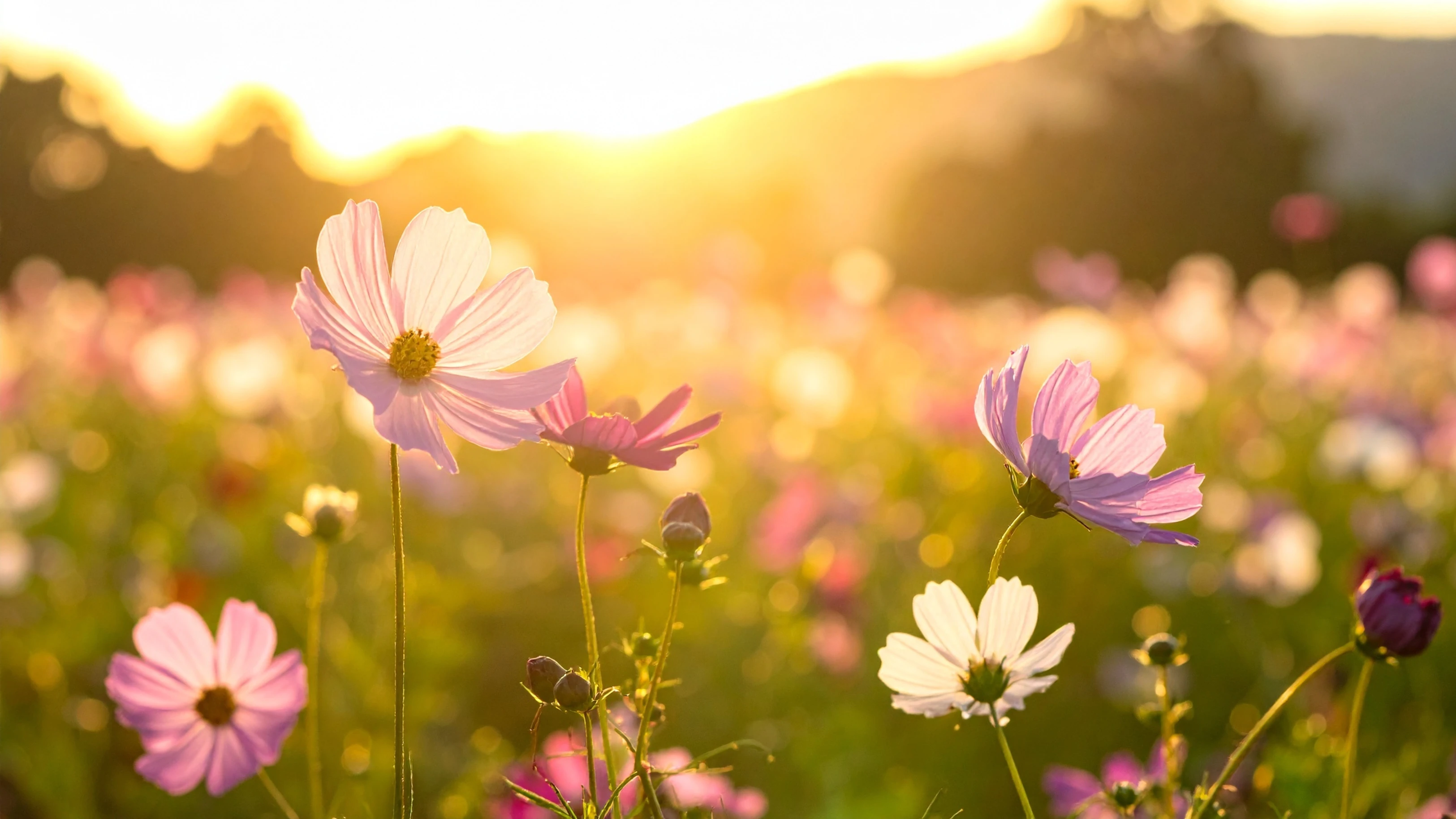
TLDR: The following is a reflection on Romans 12:1-8 in light of our upcoming ministry fair, “Ministries in Bloom.” Please read on and enjoy.
Professor N. T. Wright believes that Romans 12-16 do not get as much attention as the first 11 chapters of the letter because in these first chapters Paul is talking primarily about doctrine, whereas in the last four chapters (12-16,) he is talking primarily about ethics. It is as though we say, “Now that we established our theology solidly on grace by faith alone, here are some rules to help you live a better life.” But these last four chapters are the natural development of the foundation set in the first eleven chapters, just as important.
When a passage of Holy Scripture begins with the words “Therefore,” you need to assume that the passage builds on an argument that came before. It is the consequence or the result of a prior theme. In a way, Paul has been building an argument for 11 chapters and now he arrives at some logical conclusions in Chapter 12:1-8, the Epistle passage for this coming Sunday, August 23.
Prior to the coming of Messiah we were slaves to sin. Saying that we were slaves to sin means for Paul that our total lives, minds, and bodies belonged to sin. We were slaves because we could never pay the debt; the price for the sin was just too high. Spiritually speaking, no one could be fully obedient to the Law, and this inability to obey the law made us sinners. Sin controlled our lives and had a hold on us that was unbreakable even when we offered animal or grain sacrifices. These practices were meant to help us atone for our sin and reduce the debt, but our sin was so great that they were never enough. As a result, we became enslaved to our passions. Our bodies and minds became unavoidably chained to the high demands sin placed on our lives.
But what if we change the word “sin” for the word “addiction”? Then the phrase would sound the following way: “Unable to pay the price of our addictions, we became unavoidably chained to the high demands addiction placed in our lives.” In a way, this is what Paul is saying. But then Paul affirms that we became believers and, having accepted baptism into Jesus of Nazareth, we also accepted to die with him. It is this death with Christ that initiates our freedom from the captivity of sin. Slaves who die are considered free. Therefore, once we died with Christ on the cross through baptism, the hold of sin on our lives disappeared, the bonds of oppression were loosed, and we finally defeated the powers of darkness.
We were able to do this because Jesus took all our sin to the cross and paid the final price, erased the debt, and wiped out our guilt. But we, believers, did not just die with Jesus on the cross; we also rose with him in his resurrection. We passed from death to life and from slavery to freedom. And when we rose again spiritually, we were born free. Now we have freedom and control. We can choose to honor God without fear of sin because Christ has conquered sin on our behalf. We no longer have to be slaves to our passions. We can now worship God in freedom with minds and hearts and souls centered on him.
And this is where Paul begins: “Therefore, I appeal to you, brothers and sisters, by the mercies of God, to present your bodies as a living sacrifice, holy and acceptable to God, which is your spiritual worship.” Since, by the mercies of God, Christ paid for our salvation and secured our freedom from slavery, then we have choices we can make. We are free to worship God. Paul says, “Present your bodies as a living sacrifice, holy and acceptable to God.” In other words, we must, in perfect freedom, “Love the Lord our God with all our hearts, souls and minds, and our neighbor as ourselves.” This is our spiritual worship. Our physical worship was the sacrificial system, but that system had limited success without love of God and love of neighbor in freedom. Now we can choose a better sacrifice than the sacrifice of animals and grains. We can offer ourselves as a living sacrifice. We can dedicate our total lives to the service of God.
In order to do this, Paul adds, we must not “Be conformed to this world, but be transformed by the renewing of your minds, so that you may discern what is the will of God, what is good and acceptable and perfect.” This is the real key of this passage. Because we are free from slavery, we can renew our minds and oppose the demands of our world. We can discern the will of God for our lives and choose to obey it. Paul reminds us that we are “One Body.” “For as in one body we have many members, and not all the members have the same function, so we, who are many, are one body in Christ, and individually we are members one of another.”
When we think we are superior, we begin to believe our gifts, talents and ministries are superior to the gifts, talents, and ministries of others. But God has given us all different gifts in accordance with our faith and abilities. What is important is that we place those talents and abilities at the service of the church and that we all contribute, in whatever measure we can, to the benefit of the whole. We must choose altruism, generosity, forgiveness, service, reconciliation, humility, radical hospitality, peace-making and peace seeking. Where there is hatred, we must share Christ’s love for the world. Where there is hopelessness, we must bring the hope that only comes from following Christ. Where there is despair, we must bring a radical love that chooses self-sacrifice and service as our way to deal with the world.
All of this service begins here in this congregation. We all must become involved, placing our talents at the service of others. We must become involved for the church to thrive and grow. This week, as we prepare for a new ministry fair we are calling, “Ministries in Bloom,” I invite you to generosity of time, talent, and treasure. We are doing God’s work together and we need all hands-on deck. I hope to see all of you at this fair. We are inter-dependent on each other and ministry is better when we share it with others.
To facilitate everyone’s attendance at the fair, we have chosen to cancel adult Sunday school. May God continue to bless you.
Fr. Roman+