
TL; DR: This last Sunday I preached on Philippians 3: 4b-14. This blog is on the relationship between Isiah 5:1-7 and Matthew 21:33-46, the Epistle and Gospel readings. We see in these passages a wonderful example of how the New Testament uses the Old Testament, often answering questions left unanswered in the Jewish scriptures. I hope you enjoy it.
There are some songs that need absolutely no introduction. The very moment you hear the first bars or the first words, you automatically join in without a single need for an invitation. These songs become deeply embedded within the culture, woven into the fabric of who we are. One of my personal favorites that does this is the classic tune, American Pie. You hear that opening line, and you instantly know the melody, the weight, and the story it carries.
Long before modern radio, the people of God had their own cultural anthems. The song found in the book of the prophet Isaiah 5:1-7 was exactly that kind of song for Israel. Just the mention of its very first phrase would have been enough for everyone in the crowd to start singing the rest of the melody. Everyone knew this song, regardless of whether they considered themselves religious or not. It was a piece of their collective history, sung during a time of immense historical crisis under the threat of the Assyrian empire and the siege of King Ahaz. The song existed for decades as a warning before its prophecy was actually fulfilled.
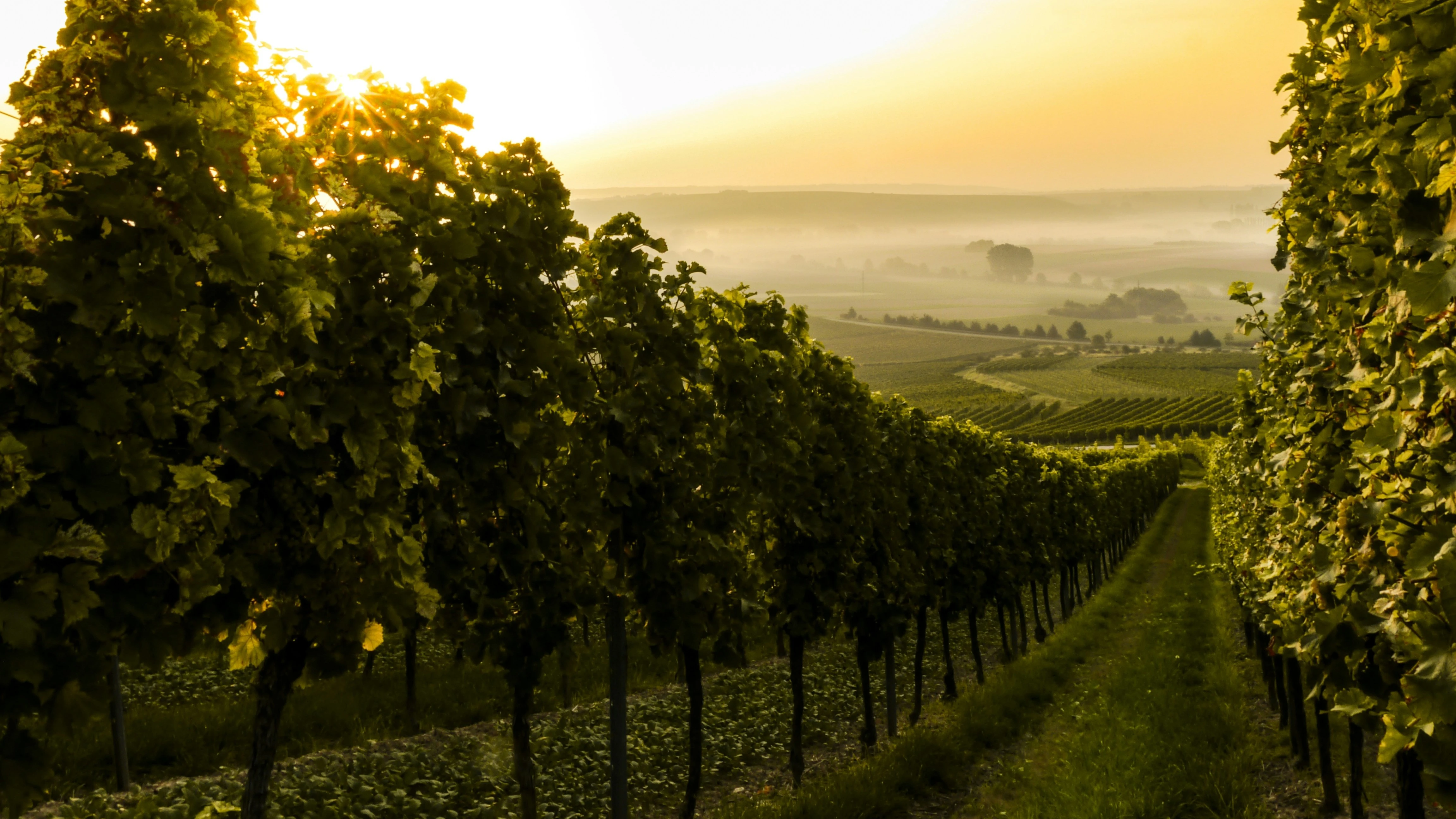
At its core, this ancient song beautifully narrates God’s heartbreak over the betrayal and ingratitude of the chosen people. The song starts with the author introducing us to the beloved’s vineyard. We are told that God had a vineyard on a very fertile hill. God cared deeply and meticulously for this ground. He lovingly cleared away the heavy stones, planted the choicest vines, built a protective wall and hedge to keep out wild animals, constructed a watchtower in its midst to defend it from all enemies, and hewed out a wine vat to store the delicious wine he expected to harvest from it.
This layout required a considerable expense of time, energy, and resources. The beloved went completely all out to care for this vineyard. But this is exactly what you do when you love another person completely. You do not mind the sacrifice. You do not mind the arduous labor or the patient waiting for that love to be reciprocated.
This is the vivid picture of what God has done for the chosen people. God has loved them faithfully, waiting day after day after day for them to return that love. Yet, despite the perfect conditions, God does not receive the nation’s love in return. God expected the vineyard to yield beautiful, sweet grapes, but it yielded wild, hard, useless fruit instead. All the work had been for naught. The love and effort poured into tending this vineyard were completely wasted. Israel still refused their God; they had scorned their lover.
Instead of producing sweet fruit, they produced sour grapes. God expected justice, but instead, the people produced grave injustice and bloodshed. God expected righteousness, and instead, He received the cries of desperate people groaning under oppression. Not only did Israel fail to love their God with all their heart, soul, and mind, but they also failed to love and protect their own neighbors. In fact, they treated their fellow human beings with wanton disregard for their basic rights. God expected faithfulness, but received sour, illness-producing fruit.
Seeing this devastation, God asks a haunting question: “And now, inhabitants of Jerusalem and people of Judah, judge between me and my vineyard. What more was there to do for my vineyard that I have not done in it?” Because of the people’s refusal to produce the fruit expected, God announces a series of punishments. God determines to remove the hedge of protection surrounding the vineyard. With this wall torn down, both wild animals and foreign enemies gain free, destructive access to the land. The vineyard will be trampled down, left as a waste, overgrown with briars, and parched for a total lack of rain. This vivid poetic verse describes exactly what happened historically when Babylon later conquered the city, destroying the land, the temple, and the cities.
Sadly, the people still refused their lover while things were good. It was only when they found themselves exiled in Babylon many years later that they finally did a forensic examination of what happened to cause their ruin. It was only in exile that they finally acknowledged their own culpability and sin. Yet, the great irony of grace is that God does not abandon the beloved, even after they are exiled to Babylon. In due time, God returns them to their native land, allows them to build a new temple, and provides new structures of governance. But tragically, the old patterns remained. The people’s disobedience, injustice, and unrighteousness continued.
Centuries later, Jesus picks up this very same story from Isaiah in Matthew 21: 33-46. Standing before the religious leaders and crowds, he tells a parable in which he compares his listeners to a vineyard. The very moment he uses this metaphor, his listeners would have immediately realized what he was doing. He was singing their well-known song. The similarities between the two vineyards are intentional and striking. The farmer in Jesus’ story plants a vineyard, puts a fence around it, digs a wine press, and builds a watchtower. These are the exact same movements found in Isaiah. This is the exact same vineyard.
Jesus continues the story: when it comes time to receive the produce, the tenants flatly refuse to pay. They reject their landlord entirely, failing to treat him with love and respect. The landlord sends his servants to collect what is due, but the tenants beat, abuse, and kill them. He sends more servants, but they are mistreated in the exact same way. Finally, the owner sends his own son, thinking, “They will respect my son.” But when the tenants see the son, they scheme among themselves, recognizing him as the heir, and plot to kill him to take the inheritance for themselves. Their mistake is to believe the Master is dead and this is the reason why the son comes to collect in person. But the Master is alive and will hold them liable for their actions.
Jesus then poses a question mirroring the one in Isaiah: “Now when the owner of the vineyard comes, what will he do to those tenants?” The answer to both stories leads directly to the judgment of the people's disobedience. In the exact same way the pre-exilic Israelites lost their physical land and temple, the listeners of Jesus' day were about to lose the promised kingdom. Jesus boldly declares that the kingdom of God will be taken away from them and given to a people that actually produces the fruits of the kingdom.
This brings us back to the ancient question in Isaiah: What else could the beloved do for his vineyard? For Matthew Jesus himself is the ultimate answer. God did not stop at fences, watchtowers, or prophets. God sent us his very own Son, whom he raised from the dead so that we may taste infinity. We are incredibly blessed that our ultimate salvation is not dependent upon our own flawed performance, but entirely upon him.
So, what is the fruit expected from Israel and from us today? It is faith in action. It is a faith that shows up in how we treat the vulnerable, feed the hungry, clothe the naked, and care for the least of these. We are called to stop producing sour fruit, to accept the Lover of our souls, and to let our lives reflect the righteousness and justice God has so lavishly poured into us.
May he give us the courage and devotion to do so.
Blessings, Fr. Roman+