TL; DR: Our Year of Matthew will end on November 22 with the Feast of Christ the King. This last Sunday we entered into the second story of the author’s final original sermon. Please read on for a bit of summary and some thoughts on the passage of the ten bridesmaids.
A foundational way to understand the Gospel of Matthew is through its architecture, specifically built around five major sermons he introduced into the Gospel of Mark, which predated it by almost ten years:
- Sermon One (Matthew 5:1-7:28): The Sermon on the Mountain, covering the Beatitudes, Salt and Light, anger, adultery, divorce, oaths, retaliation, love of enemies, almsgiving, prayer, fasting, treasures, two masters, worry, judging, the Golden Rule, narrow gate, self-deception, hearers and doers.
- Sermon Two (Matthew 10:1-42): The Commissioning and Sending of the Twelve.
- Sermon Three (Matthew 13): The Parables of the Kingdom (Sower, Weeds, Mustard Seed, Yeast, Hidden Treasure, Pearl, Net, New and Old Treasure).
- Sermon Four (Matthew 18:1-35): On the Church (Greatest in the Kingdom, Causing to Stumble, Wandering Sheep, Dealing with Sin, Unmerciful Servant).
- Sermon Five (Matthew 24:45-25:46): The Return of the King (A Master Returns, Ten Virgins, Bags Full of Gold, Sheep and Goats).
This last Sunday we read and preached on the second story of the last sermon. The four stories of this sermon follow a pattern: they have a master, bridegroom or king coming to his land, wedding party, or kingdom. Workers, maids or servants must prepare for his coming. The ruler is delayed. He arrives at an unexpected hour to find some prepared and some totally unprepared. The prepared are rewarded and the unprepared are punished.
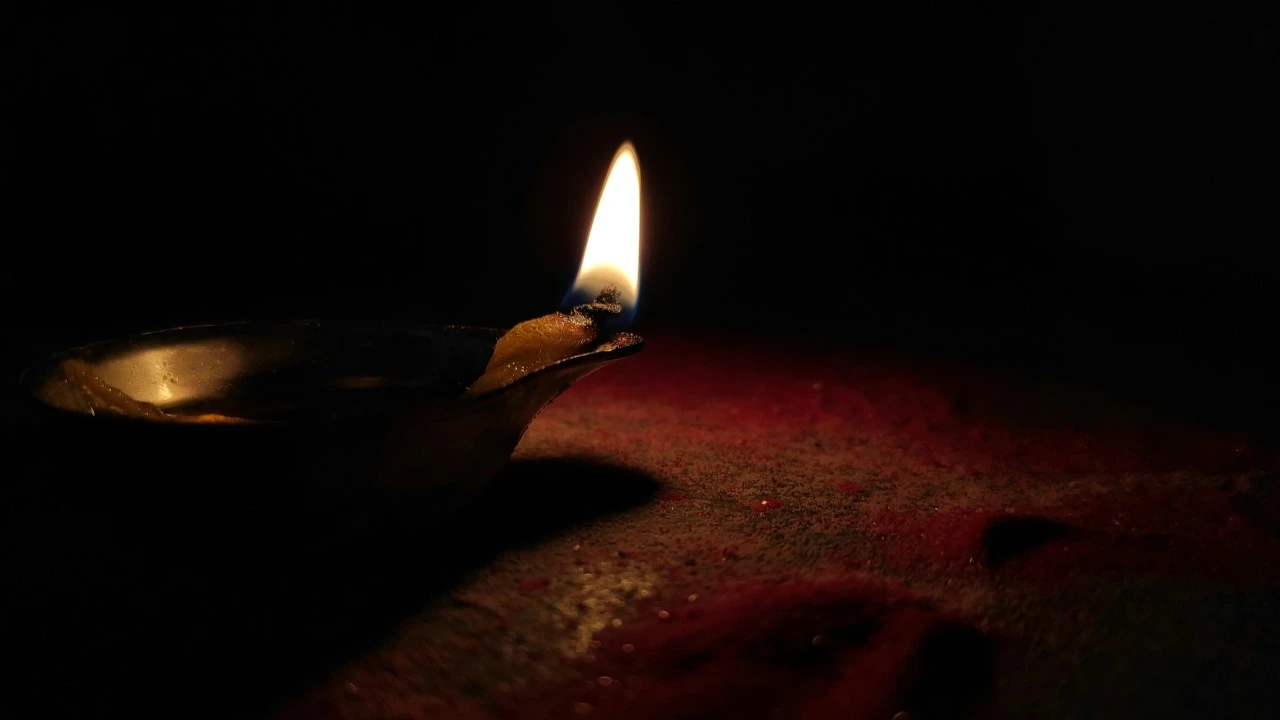
The 10 virgins, bridesmaids, or young women are given the task to wait for the bridegroom, use the lights of their olive oil lamps to lead him into the wedding banquet, and then join him at the reception. Because the groom is late, all 10 have fallen asleep. When the sound came that the bridegroom was arriving, five were able to take their posts, while five were forced to go into the market to purchase more oil. When they return, the guests are inside celebrating, and the door is shut. They knock expecting to be allowed in. To their surprise, the Bridegroom says, "Truly I tell you, I do not know you."
We have seen this image before in Chapter 7:21-23. Jesus tells the disciples, "Not everyone who says to me, 'Lord, Lord,' will enter the kingdom of heaven, but only the one who does the will of my Father in heaven... Then I will declare to them, 'I never knew you; go away from me, you evildoers.'"
The emphasis in both passages is about knowing and being known by the groom. I can say I know King Charles because my youngest daughter and I saw him and a group of men walking down The Mall in London, but it would be strange if I knock on Buckingham Palace and say, "Let me in. Remember I saw you at The Mall, you were wearing a charcoal gray suit." The will of the Father is for the bridesmaids to truly know the Bridegroom, and that he may know them. Matthew wants us to be prepared, so we don’t lose the chance to join the groom. But how do we become known by him?
The text gives us an answer: we must have "enough oil." In Biblical language darkness is terrifying. Danger lurks in darkness; evil is hatched in shadows. The believer must have enough oil to see the road ahead even in the midst of darkness. Ultimately, this passage is asking two questions: "When will Messiah return?" and "What do we do while we wait?" The answer of the first question is simple, "We don’t know."
The answer to the second question is found in the meaning of oil as a metaphor. What does oil represent here? Some argue it represents faith, and I agree to a certain degree, but I am uncomfortable with the idea that faith becomes the thing. The five maids presumed the Groom would let them in, they had faith in him, and yet, they were left out. Our faith does not create our salvation; it simply accepts what another has done for us. As some theologians remind us, “We don’t have faith in our faith.”
Some say the oil represents our good works, and there will be a sense of this in the last parable of this section. But how can good works be the oil? Remember that these maids were fully engaged in the work of waiting. In the earlier passage, the men had prophesied, healed, expelled demons in the Lord’s name. They had spent a lifetime doing good works and still they were left out. Where is the answer? Where is the gospel in this passage?
The passage itself gives us a clue. The Lord says, "I don’t know you!" This is the key. Not so much that we think we know Jesus, but that Jesus knows us. It is like the story of when the Pope meets a friend and invites him into his popemobile; the point was that the pope knew and had a relationship with that one man.
The oil represents neither faith alone, nor works alone, but rather our relationship with Jesus of Nazareth. It is this relationship that fuels our lives and produces the light we need. There is a difference between pretending we know him and actually knowing him. The point is that our relationship allows Jesus to truly know us.
The parable does not tell us how the wise maids came to have sufficient oil. This is left to us to interpret. I believe it happens over time, over the course of a lifetime. The relationship is a sum of all our small acts of prayer, our acts of compassion, our participation in liturgy, our times of meditation as we get to know our Messiah in Scripture, the millions of small acts of kindness nobody notices, our internal dialogue with Jesus, the steadfastness of our faith, our fulfillment of commitments we have made, the moments of heartache we share with Jesus, our willingness to listen to others, etc. These are not just lists of good works. These are the many ways we share our life with Jesus every day to allow him to know us for whom we are and not just for what we do. The question for us is simple: When our Groom comes, will he know us by name? Will he find us prepared and ready?
I pray he will. Blessings to all,
Fr. Roman+