TL; DR: Last year, upon my return from Cursillo 261, I wrote a blog post on my experience. This post is a continuation of that. For those who have done Cursillo, may this blog reconnect you to that most holy experience. For those who have never attended, may it inspire you to register for the April weekend at Camp Allen. Registration is now open.
I absolutely love Cursillo and all the retreat weekends to which this religious formation method has given birth: For Middle schoolers: New Beginnings, for High Schoolers: Happening, for Non-Denominational Protestants: Tres Dias, for Methodists: Walk to Emmaus, for those in prisons: Kairos, etc. Regardless of what version of the weekend you do, you can always expect the same format: Table groups, lay speakers, and clergy talks. Additionally, there are a number of pleasant surprises that await all “pilgrims” during the weekend, which I should not spoil for those who have not attended.
One thing is for certain; it is easier to forget your wedding day than your Cursillo. For many Christians, this weekend marks one of those mountain top experiences that divide their spiritual formation into a “before Cursillo” and “after Cursillo”. Youth often use the expression, “I happened in…” and add the year of their weekend. My own kids happened in 2008 (in Iowa), and 2011, 2015, and 2019 (in Louisiana). I did my Cursillo in 1985 in Medellin, Colombia, and I have served in teams in Iowa (both New Beginnings and Happening), Louisiana (Cursillo #142), and Texas (Happening #181 and Cursillo #259, 261, and 262). The message of the weekend, taught over 15 talks, is simple: Our walk of faith calls us to live a fully Christian life in grace as we carry Christ into the world. Below is a quick summary of those 15 talks.
The weekend started by asking a simple question, “What is the guiding purpose of your life?” We all live by ideals that fuel our action and seek to give meaning to our lives. If anyone wants to know what is truly important in their life, all they need to do is review their bank and credit card statements to see what they spend their money on. The Christian life calls for us to live by different priorities than those offered by our culture. The Christian ideal is a life rooted in and empowered by God’s grace. This grace is unmerited favor that goes above and beyond what we deserve or have the right to expect. When we accept this unmerited grace, we receive a new identity in Christ as we become children of God, co-heirs with Christ of God’s kingdom, and temples of the Holy Spirit. We live in a grace-infused creation in which God is always present and accessible to all who believe in what Christ has done for the salvation of the world.
A life of grace is never lived out in a vacuum. We are members of a multi-faceted, multi-gifted, community of believers in which we find our mission in and for the world. The Church is more than an institution and a set of buildings, it is a living, breathing, suffering, celebrating, body of followers of Christ. The laity and their ministries are fundamental to the life of the entire body. In our Episcopal Church, we find our mission in the baptism liturgy. We promise to continue in the apostles’ teaching, fellowship, breaking of bread, and prayers. To persevere in resisting evil, repent when falling into sin, and return to the Lord. To proclaim the Good News of God in Christ by word and example. To seek and serve Christ in all persons, loving our neighbor as ourselves. To strive for justice and peace among all people and to respect the dignity of every human being.
Faith is the key to unlock the power of grace in our lives. This faith is possible because of the intervention of God’s Holy Spirit in our lives. Faith is often difficult to illustrate but I liken it to several plants I have on a windowsill in my kitchen. Every once in a while I turn them to face me as I water them, but eventually, they turn back to face the window as they seek the warmth and light of the sun. More than a quantifiable thing, faith is an internal inclination of our hearts as we turn towards God’s grace. Faith is acceptance of what God has done for us in creation and in the redemption of the world by Jesus Christ. It is complete surrender to God’s will for our lives, not because we have all the answers or because we understand God’s ways, but out of trust of God’s benevolence and compassion. The Christian life requires a daily predisposition to grace and this is only possible through faith. Faith tells us that God is in control and that we are accepted as children even in our brokenness, doubts, and propensity to sin.
The Christian life of grace is nourished through ongoing practices like piety, study, and action. These are called by Cursillo, the “three-legged stool.” Piety is an old word that is often misunderstood to mean holier than Thou. In fact, piety simply means a fervent desire to spend time with God. It means thirst and hunger for God’s presence through meditation, prayer, worship, and other practices that nurture our life. Study is another means of giving depth and strength to our faith. We are called to be transformed by the renewing of our minds. Study helps this ongoing transformation as we learn more about Christ, soak ourselves in Holy Scripture, and apply the wisdom of others to our daily walk. Finally, Christian action is a baptismal call for all believers. It is the natural outcome of our love for Christ that takes us out of the walls of our churches to be the hands and feet of Christ in a hurting world. We seek to bring others to Christ, which is always easier when our action shows the world the depth of our faith.
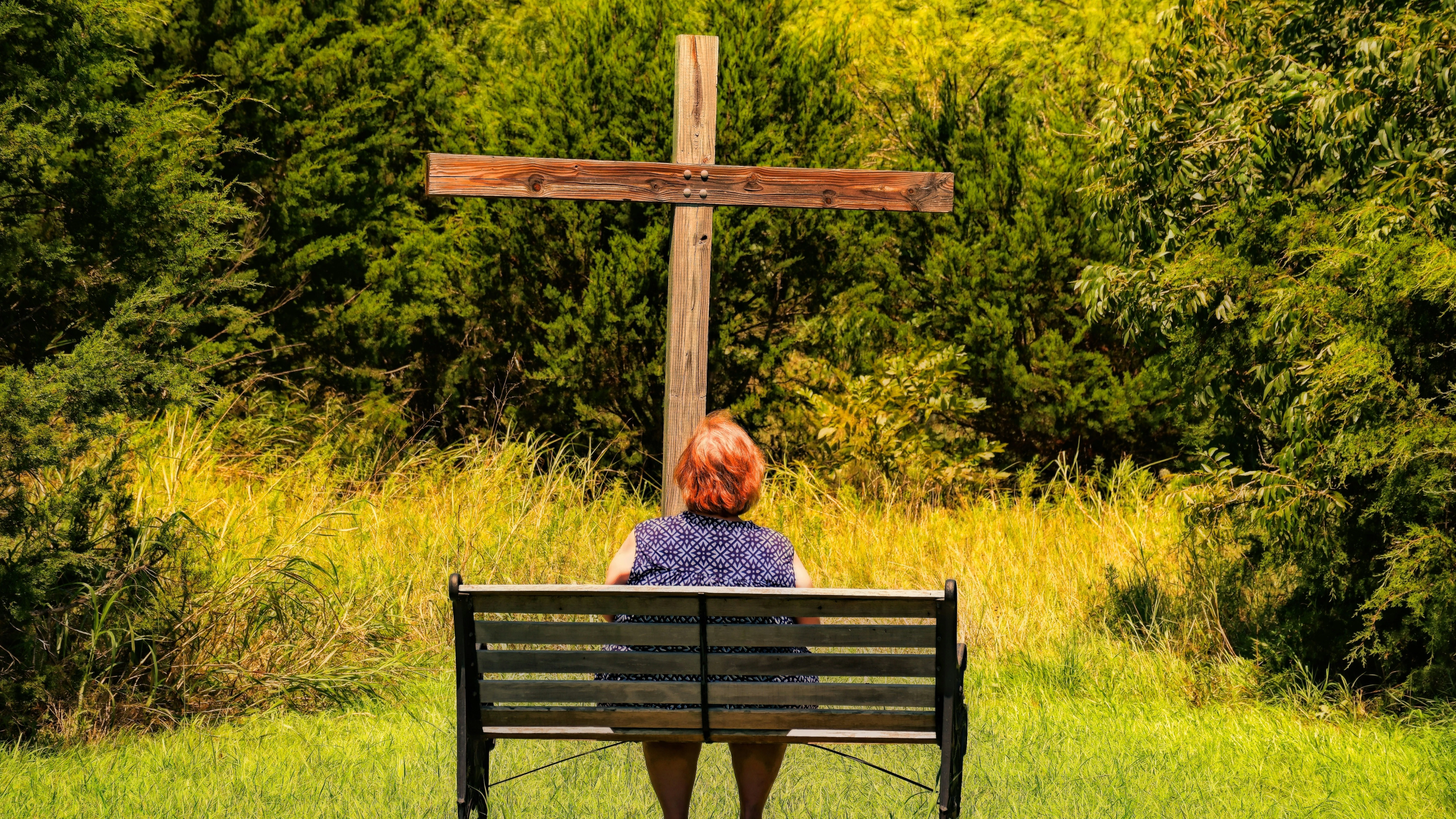
A grace-filled life is not easy and we can expect obstacles. Central to these obstacles is our own propensity to sin. Sin acts as rebelliousness against God. As people infused by grace we must start and end each day at the foot of the cross. It is at the cross that we receive forgiveness and strength to keep walking without giving up or becoming discouraged. We also must watch for the potential for temptation inherent in certain people, places, and things and we must identify strategies to deal with the obstacles these present. Clear and firm boundaries, a life of prayer, spiritual direction, access to mentors and faithful friends, rest, retreat to acquire perspective, and a good support system are strategies to cope with obstacles. With God’s mercy we can lead authentic lives because God will never abandon nor forsake us.
All authentic Christians, filled with Grace, are called into Christian leadership and evangelism. These two concepts are scary and it is easier for us to leave them to the professionals in the Church. But by virtue of our baptism all of us are called into leadership and evangelism. Christ remains the perfect model of love and service, which us why leadership in Christ requires hope, humility, love, and a living faith. It is love, however, that makes leadership true Christian leadership. Evangelism also requires love as we walk alongside people showing them how much God loves them. It often starts with friendship and simple gestures of care for others. Rather than “winning souls for Christ,” which has been the great preoccupation of many churches, evangelism seeks to make Christ real in the lives of people. It acknowledges that technology has actually made us more disconnected and isolated from each other and God. And it seeks to correct this isolation by bringing Christ to people and people to Christ. Evangelism is for everybody because God will always use willing people who are genuine, who care, and who treat people with the dignity inherent in all of God’s children.
Finally, a Christian community in action is called to be Christ’s hands and feet in the world, or as a team member stated, “we are the only Bible some people may ever read.” But leading Christian lifestyles requires intentionality and dedication. Cursillo encourages pilgrims to develop a rule of life that includes piety, study, action, and spiritual direction. Central to our piety is the celebration of the holy sacraments, which are points of contact where the Divine meets humanity and an inner and invisible grace is granted through simple outward signs, like water, oils, a touching of hands, a blessings, etc. The mentorship and accountability of fellow cursillistas and fellow committed Christians are also necessary to reduce isolation and to obtain the support and strength necessary for the journey. Cursillo encourages the creation of weekly small reunion groups and larger gatherings called “Ultreyas” (Spanish for “onward” or “keep going” or “You are almost there”) to provide this support and accountability.
Our walk of faith calls us to live a fully Christian life in grace as we carry Christ into the world. May our Lord continue to bless us as we make these ideals real in our life. Amen!
Always praying for you,
Fr. Roman+