
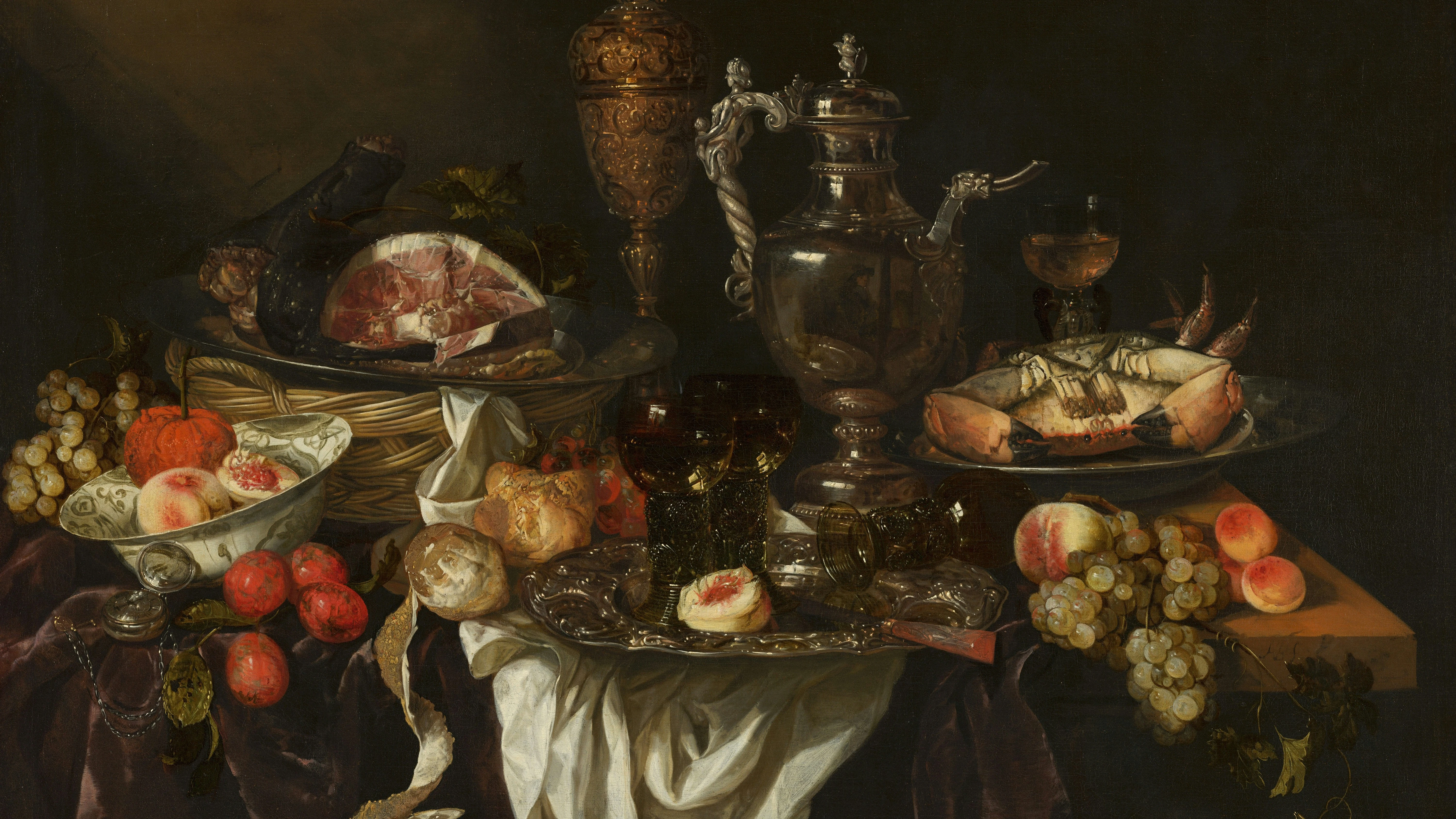
TL; DR: On Sunday 10-11-26 we read Matthew’s third parable of the kingdom preached after Jesus’ victorious entry into Jerusalem on the last week of his life. Since I preached on Psalm 23, I offer here some thoughts on this important parable. Enjoy.
The people who first heard the parable of the wedding banquet lived in a world very different from our own. Life under an ancient monarchy shaped the way they understood authority, honor, and loyalty. In a monarchy, every subject owed the king respect, obedience, honor, and allegiance. People lived at the king's pleasure. The king ultimately owned everything. He deserved loyalty, taxes, respect, and even the lives of his servants. Who a person was and what they had belonged to the king to do with as he pleased. Even Jesus recognized the authority of earthly rulers when he said, “Give to Caesar what is Caesar’s and to God what is God’s.” (The gospel passage for this coming Sunday).
This parable closes the three parables of the Kingdom found in Matthew 21-22. The first parable teaches that the Kingdom of God requires doing the will of the Father. Two sons are asked to work in the vineyard, and their responses reveal the difference between words and obedience. The second parable teaches that the Kingdom is like a vineyard taken from unfaithful tenants and given to those willing to produce fruit. The third parable tells us that the Kingdom of God is like a banquet given by a king for his son, the future king and heir to the kingdom.
To be invited to such a banquet would be an extraordinary honor. It would be an opportunity to demonstrate allegiance, respect, and devotion, not only to a good king but also to the king who would one day rule after him. This may be the most important invitation a person ever receives. How a person responds could determine their future and the future of their family. The shocking part of the story is not merely that people decline the invitation. The shocking part is what their refusal means. It is rebellion. The invited guests are openly treating the king's authority with contempt. Some even kill the king's messengers. Their actions reveal what is in their hearts. They do not simply reject the invitation; they reject the king himself.
Matthew presents no excuses for their refusal. In Luke's account, people offer reasons for why they cannot attend. One has purchased land. Another has bought oxen. Another has married. In Matthew, there are no excuses. There is only rejection. This is political rebellion against the king. The king responds to this treason the way kings respond to insurrection. He sends his troops, destroys the rebels, and burns their city. Though he is a good and honorable king, the wicked and ungrateful are judged. Yet the king does not cancel the banquet. Instead, he commands his servants, “The wedding is ready, but those invited were not worthy. Go therefore into the main streets and invite everyone you find to the wedding banquet.”
Suddenly the doors are opened to everyone. Both good and bad are invited. The refusal of the original guests is tragic, but the feast will go on. The wedding hall is filled with guests gathered from every corner. Whereas the first guest list was carefully curated, social status no longer matters. Moral standing is no longer a qualification for entrance. The invitation is extended freely to anyone willing to accept the invitation, regardless of nationality or social standing. There are only two requirements: Show up and wear the wedding robe.
Appropriate garments were a sign of respect toward the host. Customarily, guests would return home from working in the fields, select their best clothing, wash it, and wear it to the celebration. Some might even borrow clothing from neighbors. St. Augustine believed the king himself provided the wedding garments. And there is strong biblical precedent for this idea. This interpretation also fits what we know about wedding banquets in the time of Jesus. These celebrations often lasted about a week, and many guests traveled long distances. Washing basins would be provided for travelers upon arrival. In Augustine's reading, robes would be provided to all guests in attendance. This helps us understand the importance of what happens next.
When the king enters, he notices a man not wearing a wedding robe and asks, “Friend, how did you get in here without a wedding robe?” The man has no answer. Consider the implications. If the robe was provided by the king, why is this man not wearing one? It appears that he is not an outsider who slipped in unnoticed. He is already there before the banquet begins. He considers himself an insider who belongs there. The king's requirements apply to others but not to him.
Perhaps this helps explain Christ's warning that not everyone who says, “Lord, Lord,” will enter the Kingdom of God, but only those who do the will of the Father. Being inside the banquet hall is not enough. Those who are welcomed by the king must also accept what the king provides. They must put on the robe he gives them. This is why the setting and audience of the parable matter. Who were the insiders in the days of Jesus? Why would they reject what God was providing through His Son? Why would they refuse the garment God freely offered? Ultimately, this parable is about accepting God's invitation into the Kingdom. It is an invitation to the wedding banquet of God’s Son. It is an invitation to accept Christ.
Every week we re-enact this invitation to god’s banquet when we come to the Holy Eucharist. And we celebrate this feast as we look forward to the day described by Isaiah 25 in the reading from the Old Testament today. At a future time, God himself will prepare for all peoples a feast of rich food and well-aged wine. The wedding banquet for God’s Son is both a present-day reality and a reality yet to come at the end of days. We who accept God’s invitation and who put on Christ as a robe, the garment of salvation, will join others in God’s new creation at the end of days. What excuse could ever be good enough to refuse such an invitation?
The invitation has already been given. The banquet is ready. All that remains is for us to come. All we need to do is show up and put on the robe of new life. And once we do, everything changes. This banquet transforms people from the inside out. Those who attend cannot simply return to life as though nothing happened.
The invitation of the King demands a response. The robe of salvation changes the one who wears it. The banquet of the Son creates a new way of living. The feast is prepared and the King is waiting. The invitation has gone out to all four corners of the world, without exception. The question is how we will respond.
May our Lord continue to bless you,
Fr. Roman+