TLDR: In a world surrounded by harsh, bright, and almost violent light and endless noise, I invite you to think about the life that grows in the silent dark, and to give thanks for things and people unseen
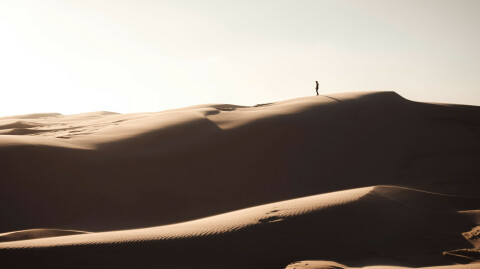
I grew up to be extremely cautious, even fearful, of darkness. There was a belief among my elders that nothing good ever happens after 10:00pm, and for this reason, all family members needed to be home before curfew. At a time in history when gun shots often welcomed the night, returning home at a “decent time” was a good policy. Even now, after almost forty years in a fairly safe country, darkness still makes me uncomfortable, especially around Fall and Wintertime when the days are shorter and the nights seem to last forever. During this time of the year, I often think of Isaiah 9:2, “The people who walked in darkness have seen a great light; those who lived in a land of deep darkness— on them light has shined.”
The biblical text shares my apprehension about darkness. For Scripture, darkness is dangerous for it conjures up images of evil spirits prowling, advancing chaos and disorder, secretive and nefarious behaviors, and ungodly people plotting against God and each other. No wonder the first words to come out of the Creator’s mouth were, “Let there be light!” Light ushers in God’s creation of a good and orderly universe. In light, we can see the world and each other clearly, and we can distinguish the beautiful colors and contours of the incredible creation God has given us.
But I wonder if we have become too addicted to light, perhaps favoring what can be seen over what can’t be seen. I drive around my neighborhood and see aggressive Christmas lights on many lawns and door frames; harsh neon lights reminding us that this is the season for merriment. For many, December would not be as special without thousands of light bulbs consuming untold amounts of kilowatts of energy. Today, I find myself thinking about those thousands of people in our community for whom the holidays are filled with sadness, loss, isolation, and nostalgia. The world wants to push them towards “forced happiness,” but their hearts rebel against their well-meaning friends who know nothing of their loss and pain.
Our daily speech reflects our love of light as well. When we want to point to something, we “highlight” it, we cast a light on it. Commerce is dependent on the light of thousands of screens to create the need only their products can satisfy. Public speakers and entertainers shine stage lights on themselves as they seek to entertain and inspire audiences. Even religious leaders overemphasize their calls to “come into the light.” For many years one of my favorite English words was luminosity. This beautiful word rolls easily from my tongue and often reminds me that Christ is the light of the world and that love is another word for luminosity.
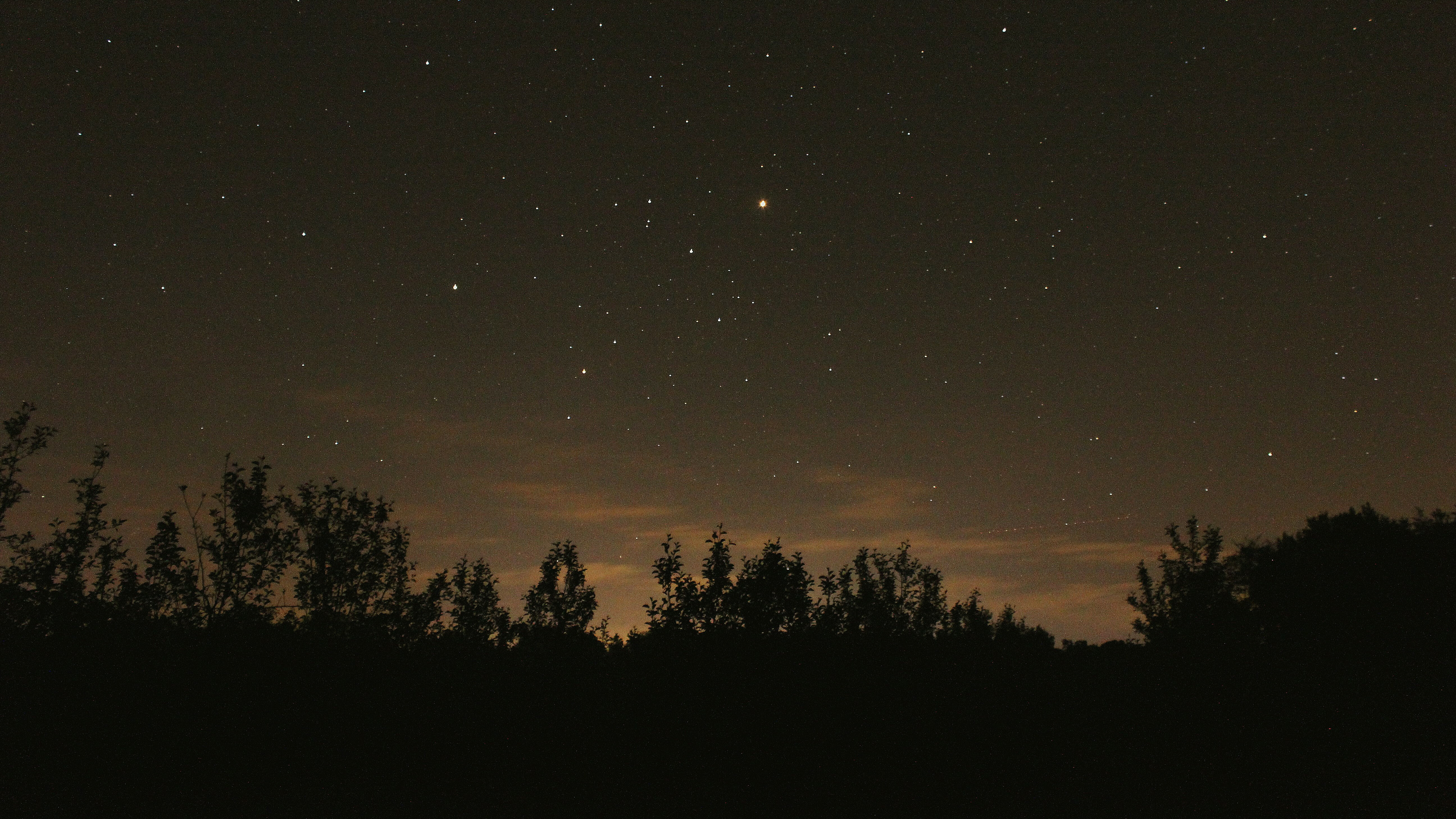
Light is everywhere and it is often accompanied by noise. I am not necessarily criticizing our dependance on light; I just want to remind us that grass grows at night. Spanish philosopher, Jose Luis Descalzo, puts it this way, “Grass, like everything that is great and important in this world, grows at night, in silence, without anyone seeing it grow. And silence harmonizes perfectly with kindness and goodness, just as stupidity is always accompanied by noise and bright lights.” (Reasons for Hope, Fortress Press, 2007, 17). My concern is that we underestimate what can’t be seen, what lies in the metaphorical and real shadows of life. Perhaps obscurity is a better word than shadows to explain what I am trying to say.
In a culture enamored by communication, light, and noise, we often highlight everything except what truly matters. We know very little of the lives and dreams of people who work in obscurity. With a few exceptions, the great scientific minds of our day work and die in the shadows, while the pretend lives of the Kardashians and the Real Wives of Someplace, USA, consume our attention and adulation. Soren Kirkegaard used to say that “idiots love megaphones!”
I find myself very grateful for the New Orleans overnight cleaners who quietly and sacrificially clean the French Quarter during the night for those who enjoy the streets during the day. For the millions of people who work the graveyard shift in emergency rooms and hospitals. For the police officers who patrol our streets while we sleep. For those who, like grass, grow in the dark and bring beauty to life for the rest of us to enjoy during the day. Sometimes there is great beauty, sacrifice, and altruism in dark places. These people are often unseen and the light seldom shines on them, but great souls are often cultivated by silence and darkness.
I know many of us often feel unseen and unheard, and this feeling increases during the holidays as daylight shrinks and the shadows grow. We will never be in the covers of magazines and no one will ever write our biography. But the Advent Season we have just started reminds us that God sees us, knows us, and allows us to grow in silence and darkness. We don’t need spotlights and the covers of magazines to be crucial pieces of God’s creation. We don’t need recognition to continue our heroic efforts to do what God has called us to do. Although no one sees it, God knows of the many hours you have spent caring for a mentally ill son or daughter who finds life unbearable. The pie you just baked for a neighbor who is overwhelmed by grief over a recently deceased spouse. The Manna Bag you carry on the passenger seat of your car in case you encounter a hungry homeless person. The hours you have spent listening to that friend who has been unemployed for most of the year. The prayers for your children and grandchildren at a very difficult and confusing time in our history. The soft laments over your own heartaches and fears. The songs of gratitude for your blessings. And the thousands of other actions through which your soul grows and becomes closer to God.
Please know that I am praying for you today. Now, I leave you with the words of Descalzo:
“In the blackness of the world millions of souls are growing during the night, silent and humble, striving and intense. They do not shout; they love. They are not famous, but they are alive. They do not appear in the newspapers, but it is they who keep the world going. On the surface of the planet are millions of flowers that nobody will ever see, that will grow and die without having been ‘useful,’ but that are proud of simply having lived and been beautiful. Because, as a poet once said -Talking about roses- ‘What does death matter when one has lived, and lived so fully?’” (Ibid, 20).
May our Lord continue to bless you,
Fr. Roman+