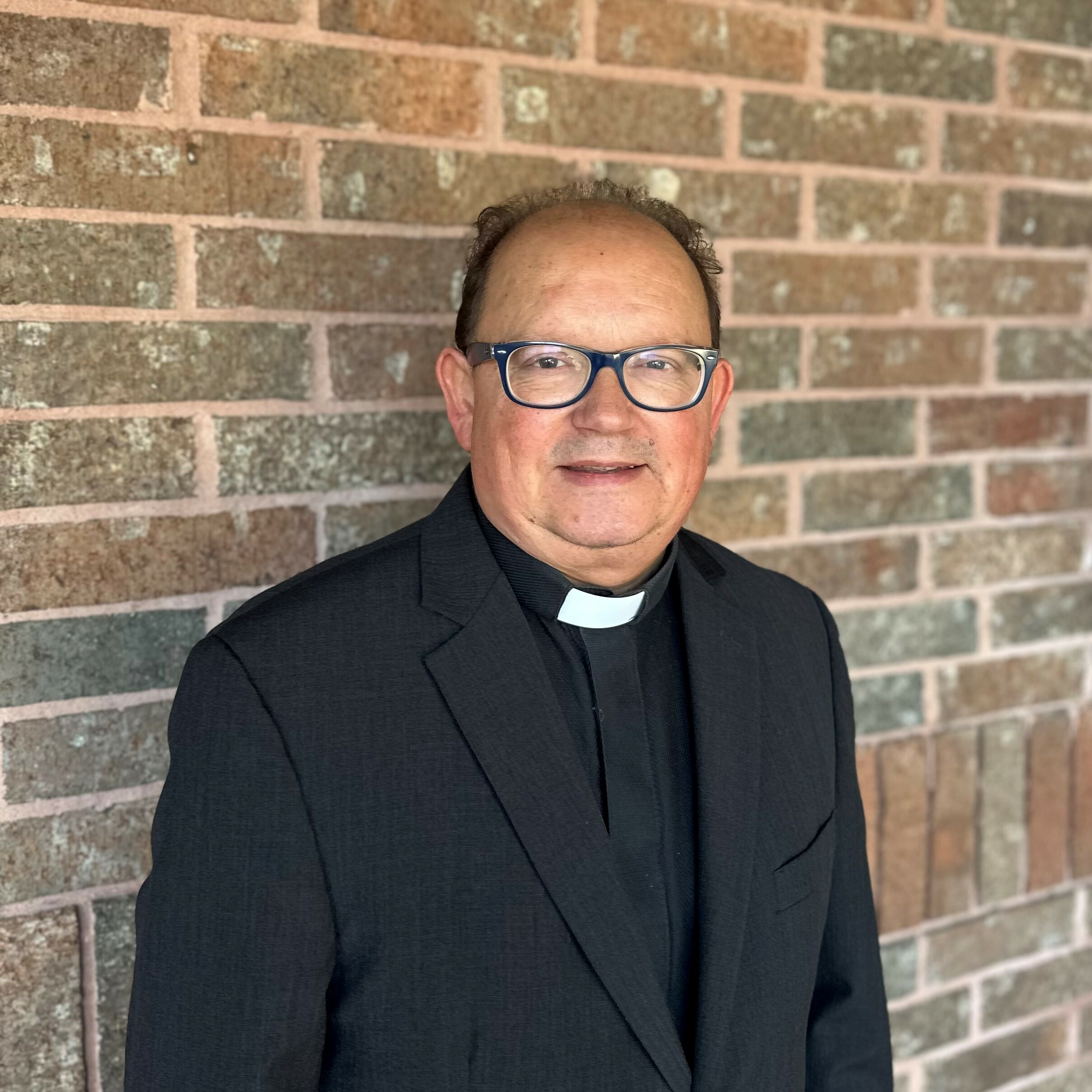

TLDR: The author and his wife have been invited to the 2023 Vatican meeting of John 17. Read on for more details of this visit and a bit more about the purpose of John 17.
We all share an ecumenism of blood and an ecumenism of antagonism. The first form of ecumenism has been the concern of Pope Francis since he became pope. On a recorded message to the attendees of the John 17 conference in Phoenix Arizona on May 23, 2015, the Pope said, “I feel like saying something that may be a bit controversial, maybe even heretical, but there is one who knows that despite our differences, we are one. It is he who is persecuting us… He knows that Christians are disciples of Christ: they are one, they are brothers and sisters. It doesn’t matter if they are Orthodox, Lutherans, Catholics, or Apostolic, he doesn’t care. They are Christians, and the blood of martyrdom makes us one. Today, all of us are living in an ecumenism of blood.”[1] When Christians are martyred around the globe, their persecutors do not care is they are Catholics or Anglicans, all they care about is that they are Christians, which means that martyrdom unites us as one. It is for this reason, that the unity of all Christians must be the work of the Holy Spirit working with men and women who have open hearts to see brothers and sisters behind the denominational labels we carry. The unity of Christianity is the single most important task of all denominations that form The Church. This is the reason why Jesus prays in John 17:23, “that they may become completely one, so that the world may know that you have sent me and have loved them even as you have loved me.” The unity of the Church has a purpose and a mission, “That all may come to believe in Jesus.” Our unity is the most powerful evangelistic tool in the Church’s kit. Brothers and sisters working together for a common purpose become an attractive force that is irresistible to the unbeliever. But before we become one, we must learn to forgive each other for the hurts we have caused the Body of Christ.
At a service on the 27th of January of 2016, on the occasion of the celebration of five hundred years of Luther’s reforms, the Pope “Walked across the threshold of the Holy Dome with an Orthodox Metropolitan and an Anglican Archbishop (Archbishop of Canterbury, Justin Welby) and invoked God’s mercy upon divided Christians and apologized for times that Catholics may have hurt members of other denominations.”[2] At the same service, he asked Catholics to forgive anyone of any denomination that may have hurt or offended them. This has been a constant prayer and message Francis has repeated around the globe. He has visited the faithful around the globe to share a message of hope and unity based on the Gospel of Jesus of Nazareth and the active work of the Holy Spirit in our lives.
We also share an ecumenism of antagonism. Even in areas where we are not being martyred, Christians encounter great antagonism from post-Christian secular majorities. We share this antagonism in common, regardless of denomination. Ironically, this antagonism unites us as a collective “other” against which the world seems to be rebelling. In this, too, we have much to apologize for. Many have made Christianity into a tool for totalitarianism and control, and we have weaponized radical Christianity to the point that the rest of us suffer by association. Because we are Christians, we must be like “those” Christians, and therefore, we are the subject of suspicion and antagonism. It doesn’t matter if we are Catholics or Evangelicals, there is plenty of antagonism to go around, and this makes the task of evangelism the most necessary, and at the same time, the most difficult.
For about a year now, I have been a part of “John 17,” the same group the Pope was addressing in the video I shared with you in the footnote. This is a group of Christians from all denominations who gather together around a table to share a meal and to get to know each other personally. We end these casual meals with prayers for unity, where we pray for each faith tradition by name. I have found out that once we are able to put a face to these denominations, we begin to build on what unites us, rather than worrying so much about what divides us. In many parts of the world, these interdenominational meals have also become interreligious talks. The purpose is to build relationships that can be leveraged to solve local problems and to reduce inter-religious violence. In terms of Christian dialogue, John 17 has already achieved great results. Many groups are praying constantly for each other and joining forces to combat local needs as they arise. Roman Catholics, Anglicans, Baptists, Non-Denominational Christians, Lutherans, and many others gather together to do the work of listening to each other’s stories and to pray for the unity of the Church.
Every year, usually in early November, a selected group of John 17 members spends several days in Vatican City in meetings and trainings among themselves. The highlight of the conference is a two to three hour session with Pope Francis, which has absolutely no agenda. The purpose is to share stories, build on our common experience, and pray for each other. In addition, the group has meals in the cafeteria of the Pope’s residence, where he often walks about having impromptu conversations with some of the attendees. My wife and I have been invited by a member of the executive council of John 17 to be his guests this year from November 5th to the 9th. We will be fortunate to meet Pope Francis in an intimate setting, limited to just 24 of us for the plenary session, and perhaps for a couple of meals. I will blog on that experience a bit later on. For now, please continue to pray for Christian Unity and keep my wife and I in your prayers as we prepare for this momentous conference.
May our Lord continue to bless you,
Fr. Roman+
[1] https://www.youtube.com/watch?v=DGOGfKeDKy8
[2] Wooden, Cindy (25 January 2016). "Pope asks mercy, pardon for ways Christians have harmed one another". Catholic News Service. Retrieved 27 January 2016.