TLDR: The following Easter reflection includes the joke I told on Easter Sunday, which some of you have asked for. Please read and enjoy.
Upon request, I am re-telling the joke I used on Easter, which was taken in its entirety from Internet sources and it is not mine. “One Easter morning, a woman was on her way to church when her car broke down. Not wanting to be late for the special service, she ordered an Uber to pick her up. The car arrived, and she quickly jumped in the back. Halfway through the ride, she asked the driver a question, but the driver didn’t respond. So she leaned forward and tapped the driver on the arm. The driver let out a loud scream, swerved into the other lane, almost hit another car, slammed on the brakes, and skidded over to the shoulder. They sat in silence for a moment, shaken. Finally, she said, ‘Wow, I’m so sorry. I had no idea that tapping your shoulder would alarm you like that.’ The driver replied, ‘No, you didn’t do anything wrong. It’s just that it’s my first day driving an Uber. For the past 25 years, I’ve been driving a hearse.”
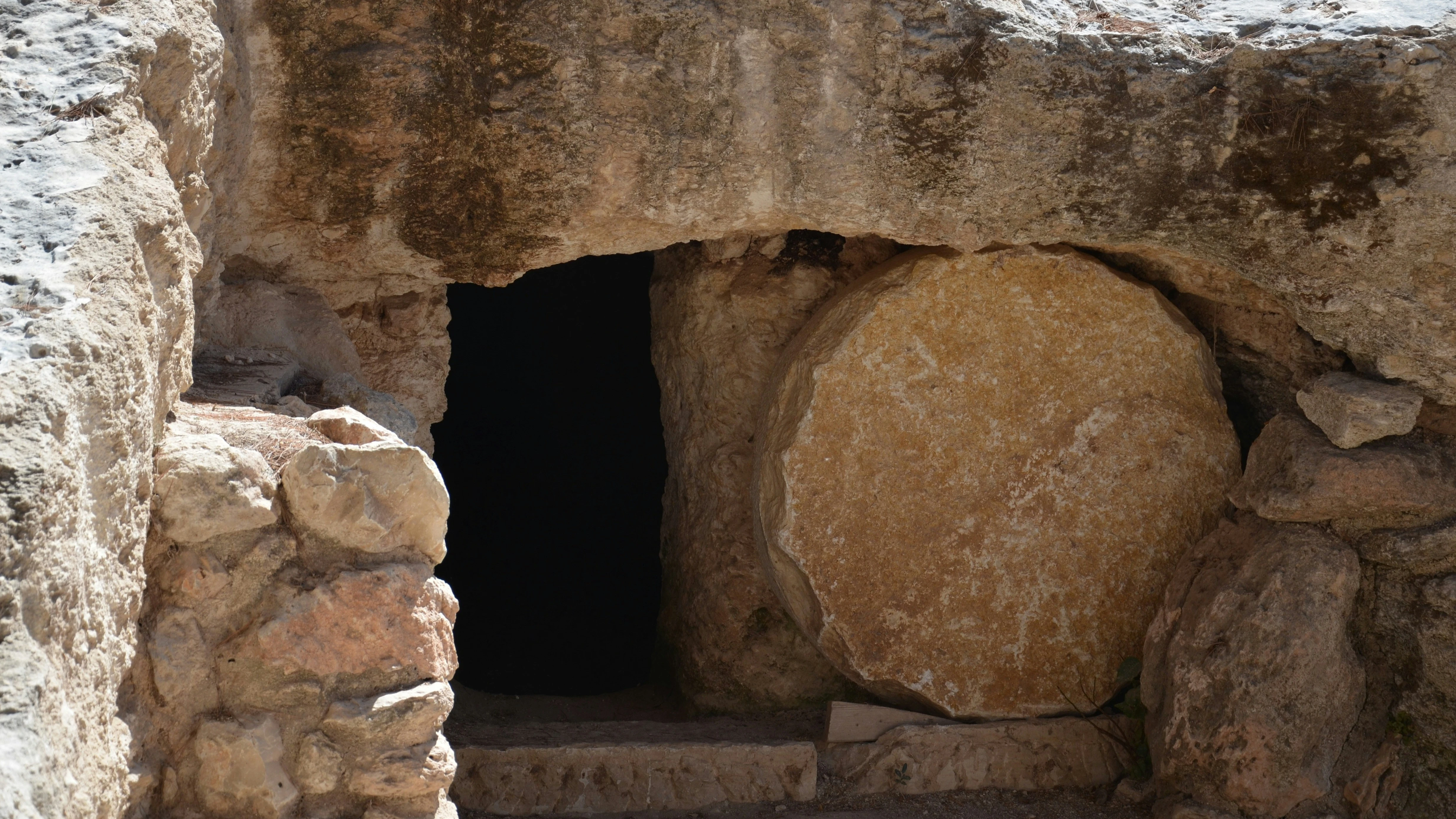
We just celebrated the glorious feast of Easter and read from the Matthew 28:1-10. Matthew’s account of this great event is a bit different from the others. For starters, it only has “Mary Magdalene and the other Mary” come to the tomb, but he doesn’t tell us who the other Mary was. She could be Jesus’ mother, the wife of Clopas, the mother of John and Andrew, or someone else entirely.
In many ways, I like that she is not identified. Perhaps she is a stand-in for all grieving mothers, sisters, and spouses who have lost loved ones. Perhaps she represents all of us who deal with the pain and anguish of mourning. Perhaps she represents the early Christian communities forced to watch their brothers and sisters die under persecution. Perhaps she still represents those in the Middle East and Ukraine who have lost family and friends in senseless wars. In either case, the other Mary can be any of us and all of us.
Only Matthew tells us that “there was a great earthquake,” caused by the angel of the Lord descending from heaven to roll back the stone. This is the second act of nature he gives us in close succession. At the death of Jesus, “The earth shook, the rocks split and the tombs broke open. The bodies of many holy people who had died were raised to life.” (Mt 27:51b-52). Now, another earthquake marks the resurrection of the Son of God.
The Bible often speaks in two kinds of theological language: language of creation and language of uncreation. Language of creation brings something from nothing. It is the voice of God saying, “Let there be!” We see it whenever blessing follows suffering, when God brings Israel from slavery to freedom, or when Ezekiel speaks of dry bones returning to life. Language of uncreation, or judgment, moves from something to nothing. We see it in the flood, in the scattering of languages, and in earthquakes that signal judgment upon sin.
Here, we see both. God’s judgment is present in the earthquake at Jesus’ death and in the shaking of the tomb. But then comes the language of creation, new life and blessing. The Son of God is risen from the dead. An angel announces God’s victory over death and sin. Matthew gives us more detail than any other Gospel about this angel. “His appearance was like lightning, and his clothing white as snow.” This echoes the visions of Ezekiel and Daniel and reflects Matthew’s understanding of Jesus as one who fulfills the Jewish Scriptures, especially the prophets. Over and over, Matthew tells us that something happened or something was said to “fulfil what was written in the Scriptures” or “written by the prophet”
The angel speaks with empathy: “Do not be afraid… He has been raised from the dead… and indeed he is going ahead of you to Galilee; there you will see him.” This is the only Gospel where Jesus directs the disciples back to Galilee. In fact, the Gospel ends in Galilee after Jesus gives his friends the Great Commission to make disciples of all nations.
But in Matthew, Jesus does not wait long before appearing to his friends. Suddenly, Jesus meets the women and says, “Greetings!” I love this moment. The women are afraid and overwhelmed, and Jesus meets them right there where they are. There is no thunder, no heavenly voice, no earthquake. He simply appears when they need him most, reassuring them and repeating the message to his friends. Perhaps this teaches us something important. We are often so busy looking for dramatic signs that we miss God’s quiet presence in our lives. Perhaps the God of Matthew is a God who speaks in silence. Perhaps the Messiah is found not in spectacle, but in stillness.
On Easter Sunday God speaks a language of blessing for the world. The tomb could not contain the Son of God. Christ risen for us is the greatest affirmation of God’s love for humanity. God cares deeply for the human race, and this care is especially reassuring for those undergoing great suffering. The risen Christ welcomes back all of God’s children, and the Church is the vehicle through which God’s love for the world becomes visible through the Messiah. Perhaps, this is the reason the Gospel ends with a mandate to proclaim, make disciples, and baptize in Jesus’ name.
God breaks into our lives with new life and new hope. Through the resurrection of the Son of God, we know that nothing can separate us from the love of God in Christ Jesus, as Paul reminds us. Not even our sin, our insecurities, or our propensity for cruelty can cause God to abandon us. With the resurrection of Christ, God has become incredibly accessible, and we can find divine grace in our midst when we need it the most, but only if we are willing to open our eyes to see it and our lips to ask for it.
May the risen Christ continue to bless you and your families this Easter season.
Alleluia, Christ is risen! The Lord is risen indeed, alleluia.
Fr. Roman+